Finally understand what your bone density numbers mean - and what you can actually do about them.
Clear, honest answers from our certified bone health coaches.
A DEXA (Dual-Energy X-ray Absorptiometry) scan doesn’t measure bone strength directly. It measures Bone Mineral Density (BMD) - the concentration of minerals inside your bone tissue, expressed in grams per square centimeter (g/cm²). Higher BMD means stronger bones and lower fracture risk. Lower BMD means higher fracture risk. Your scan is a snapshot in time, not your destiny - 152 peer-reviewed studies confirm that people of all ages can improve their BMD with the right stimulus.
Read the study - DOI: 10.4172/2329-9509.1000185Your T-score compares your bone density to a healthy 30-year-old - the standard for peak bone mass. Here’s what the ranges mean: Normal is 0 to -1.0, meaning your bone density is within a healthy range. Osteopenia is -1.0 to -2.5, meaning bone density is below normal and you’re at increased fracture risk. Osteoporosis is below -2.5, meaning significantly reduced bone density and high fracture risk. This is the number your doctor uses, insurance references, and most OsteoStrong members track over time. Even small movements in T-score represent meaningful changes in bone strength.
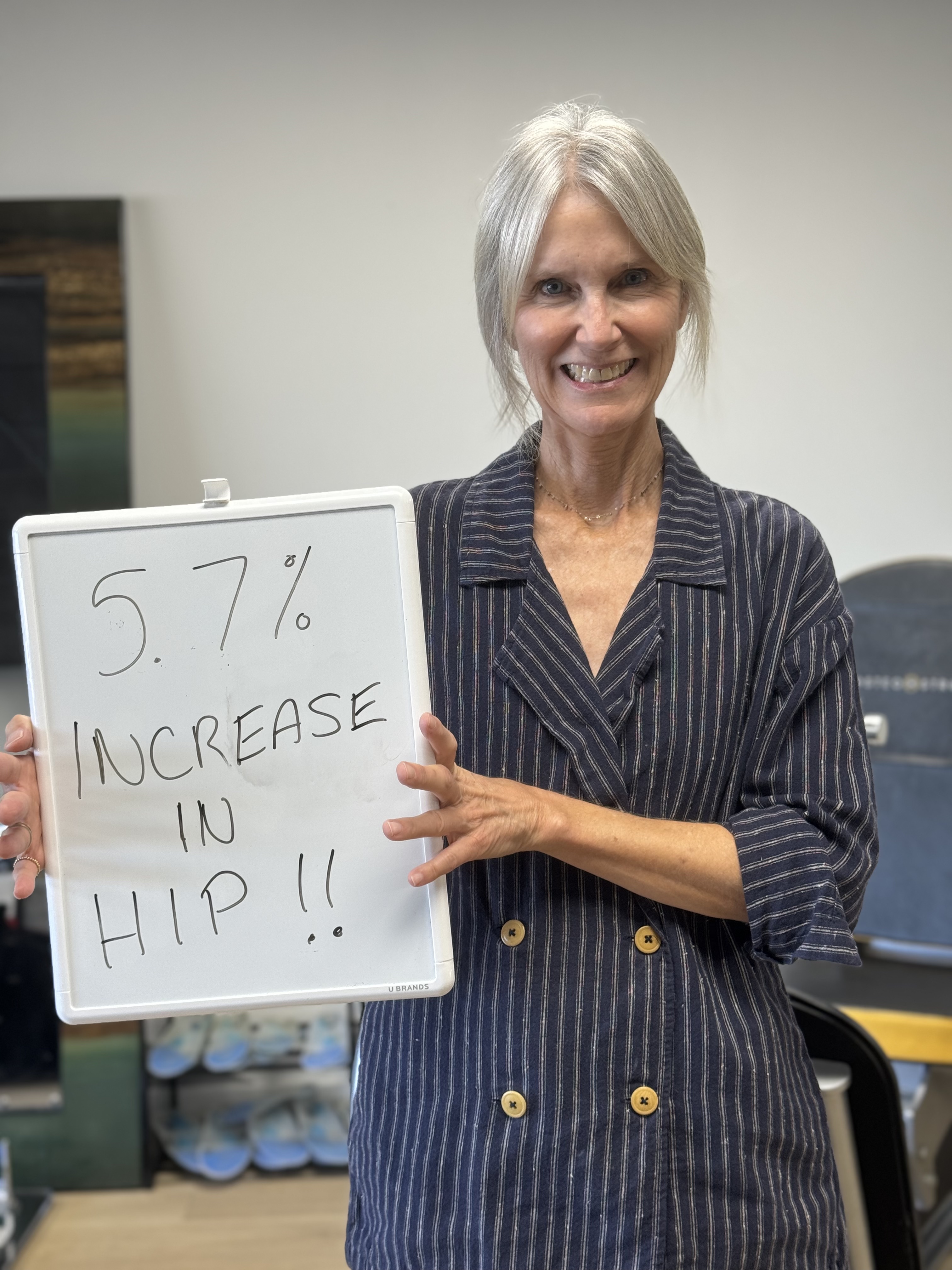
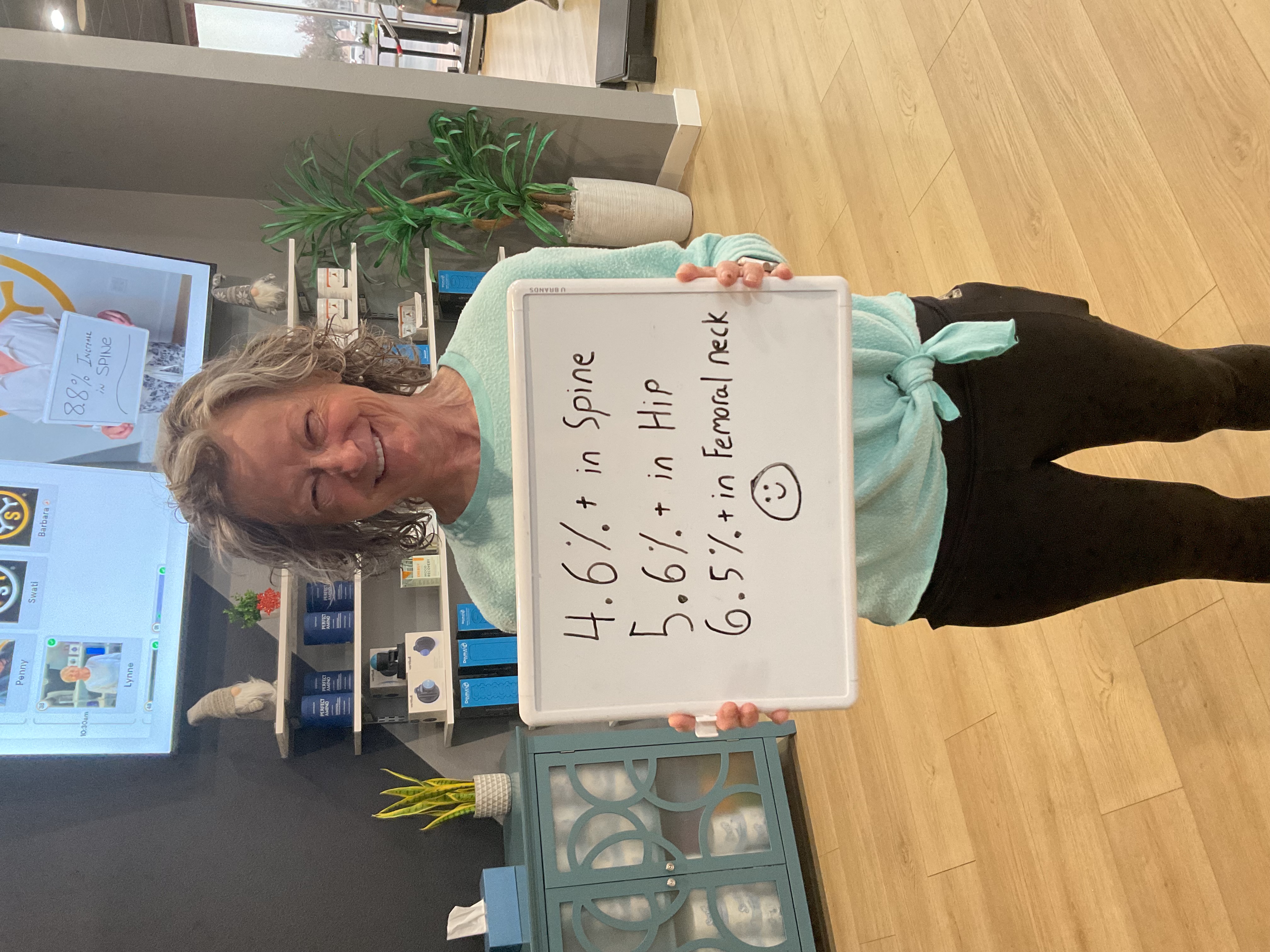
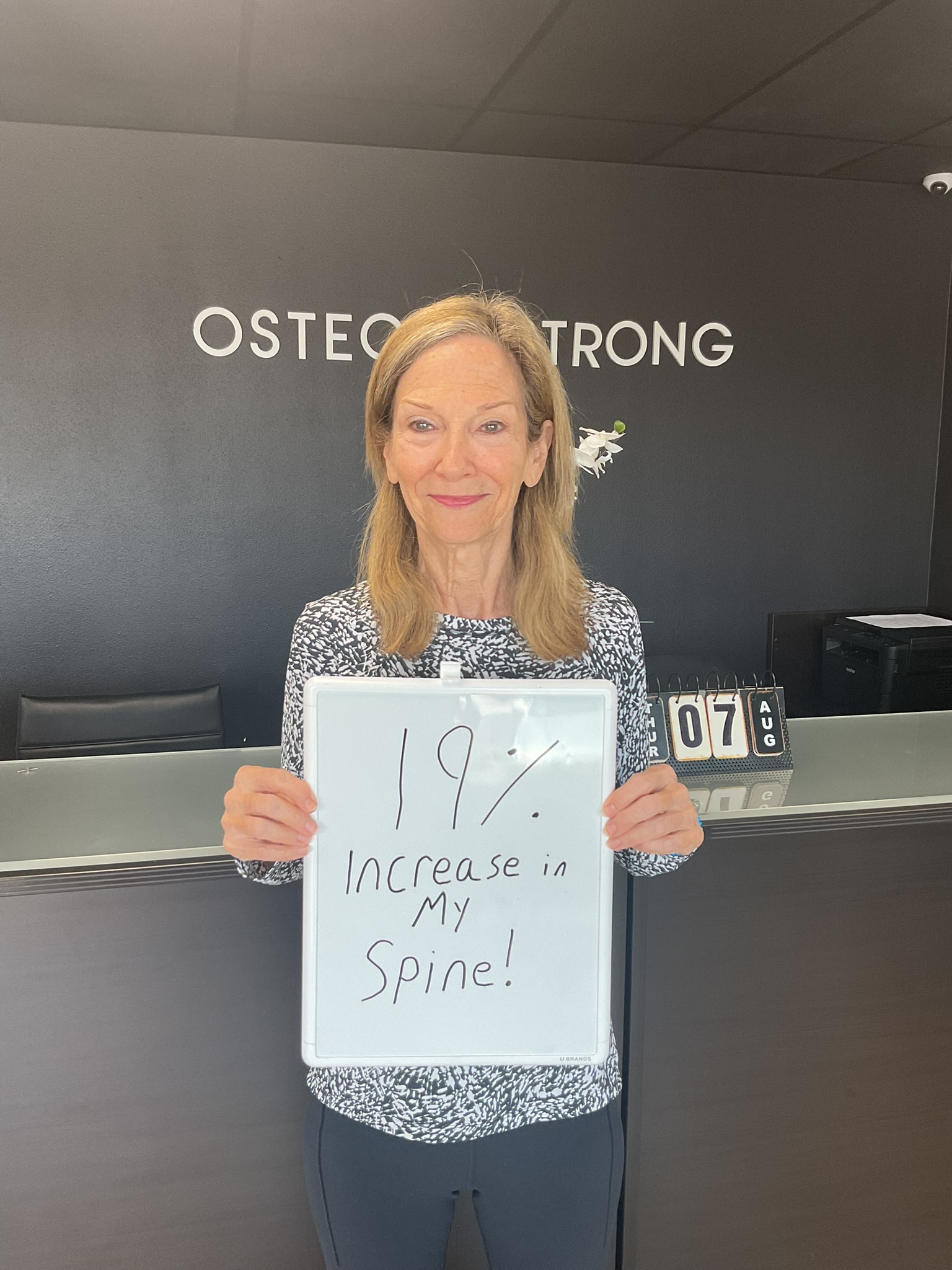
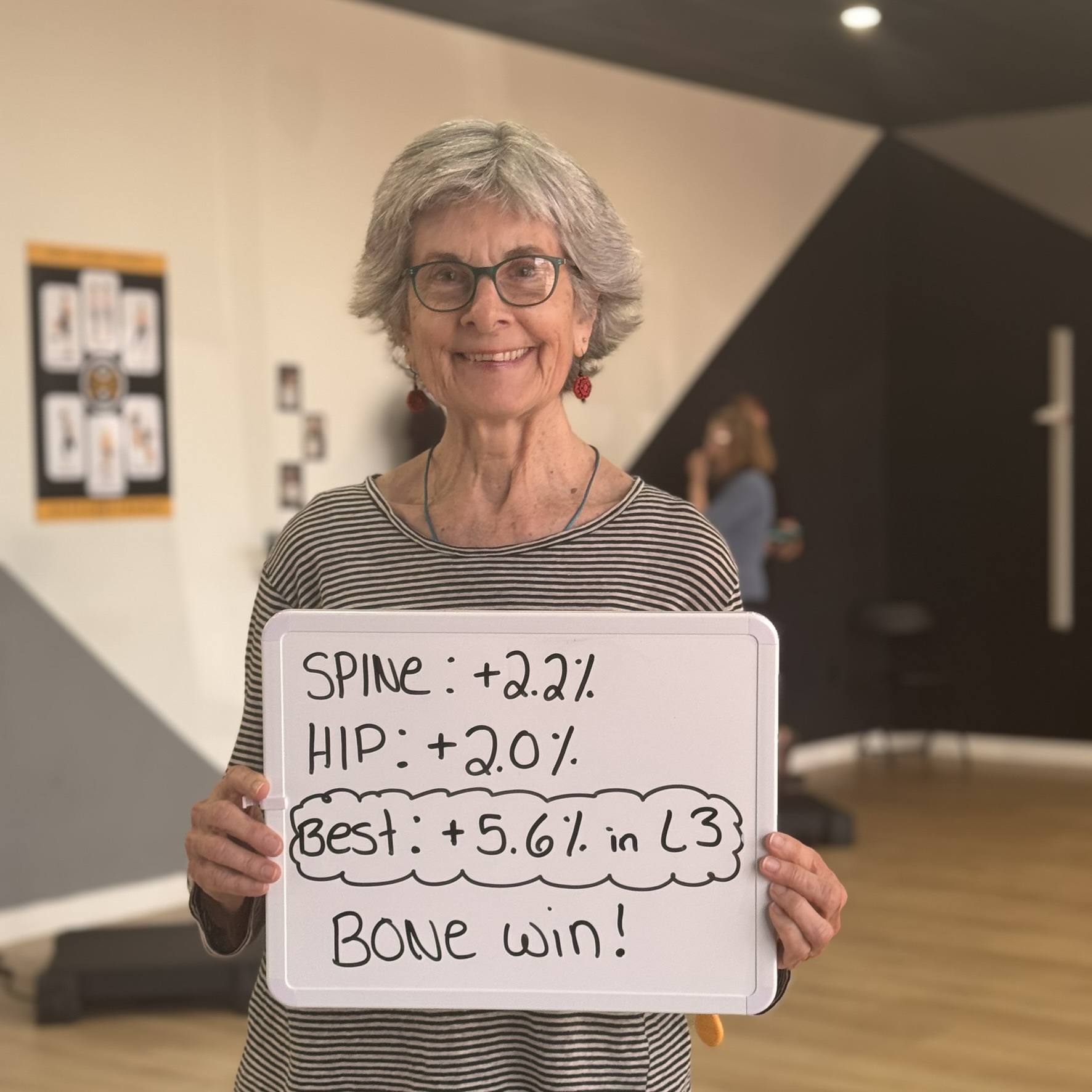
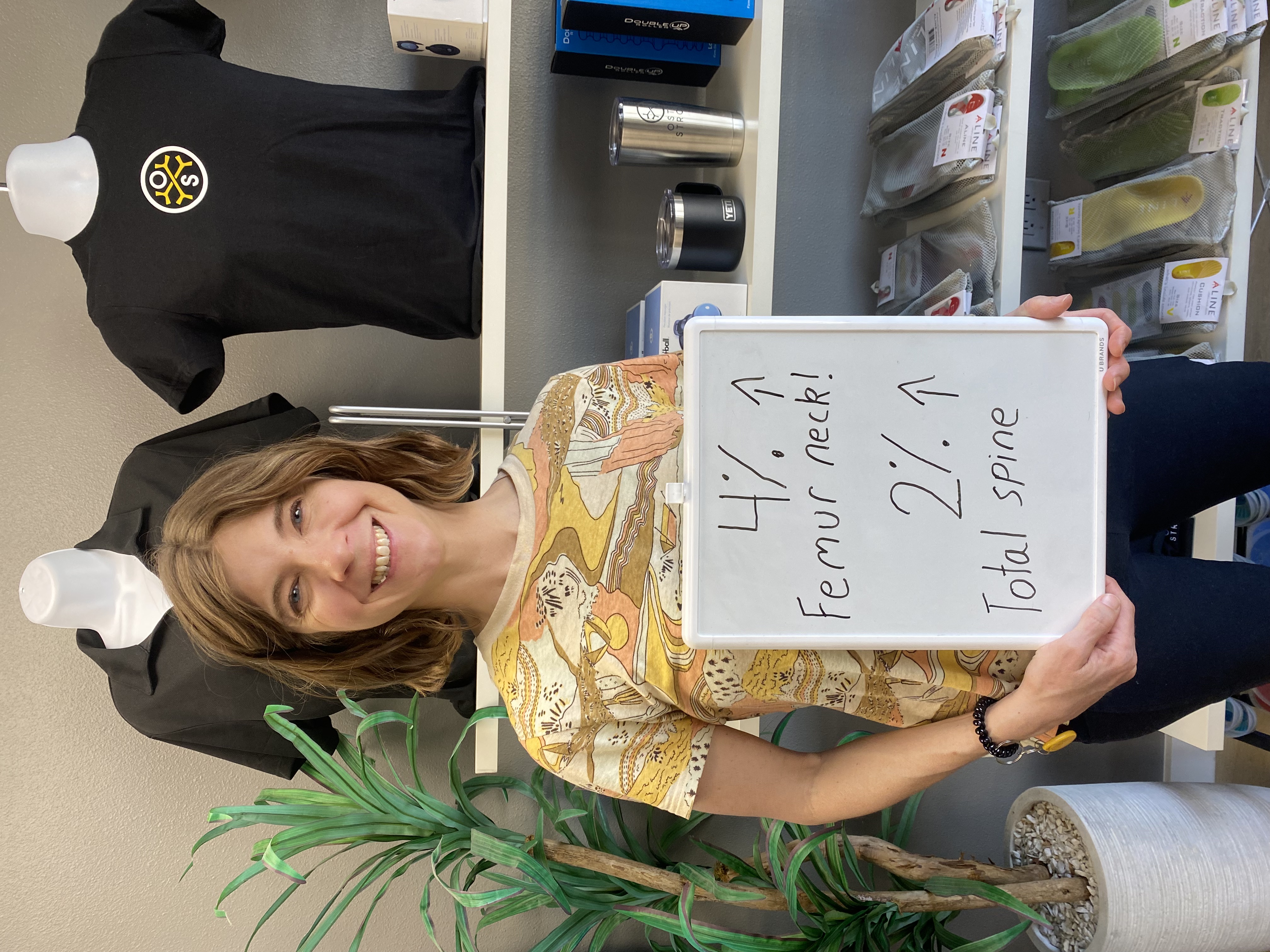
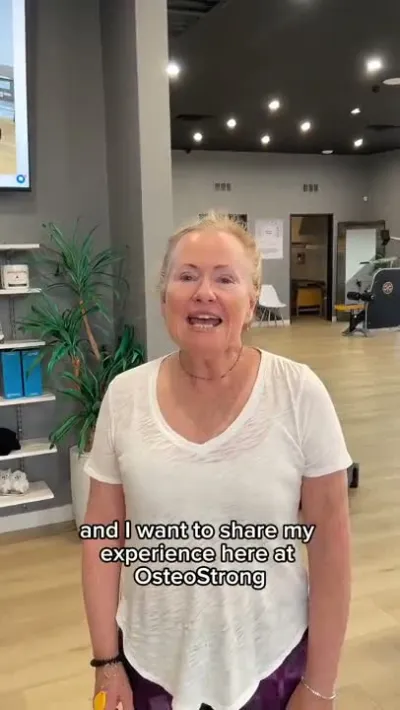
My doctor noticed the improvement in my bone density before I even told her I’d been going to OsteoStrong. That says it all.
The Z-score compares your bone density to people your same age, sex, and demographic group. It sounds useful, but here’s the problem: most people your age are already experiencing bone loss. After 50, the average person loses roughly 3% of bone density per year. Comparing yourself to a declining group gives you a falsely reassuring number. You don’t want to be ‘average for your age’ - you want to be building. Focus on your T-score and raw BMD values instead.
Your raw BMD number (measured in g/cm²) shows the most accurate picture of progress over time. Here’s what to aim for: if your spine BMD stays within 1% year over year, that’s a win. If your hip stays within 2%, that’s also a win. Why? Because after age 50, most people lose around 3% per year without intervention. Maintaining - not losing - is genuine progress. Improving is even better, and a published trial of postmenopausal women using osteogenic loading showed BMD increases of 14.9% in the hip and 16.6% in the spine.
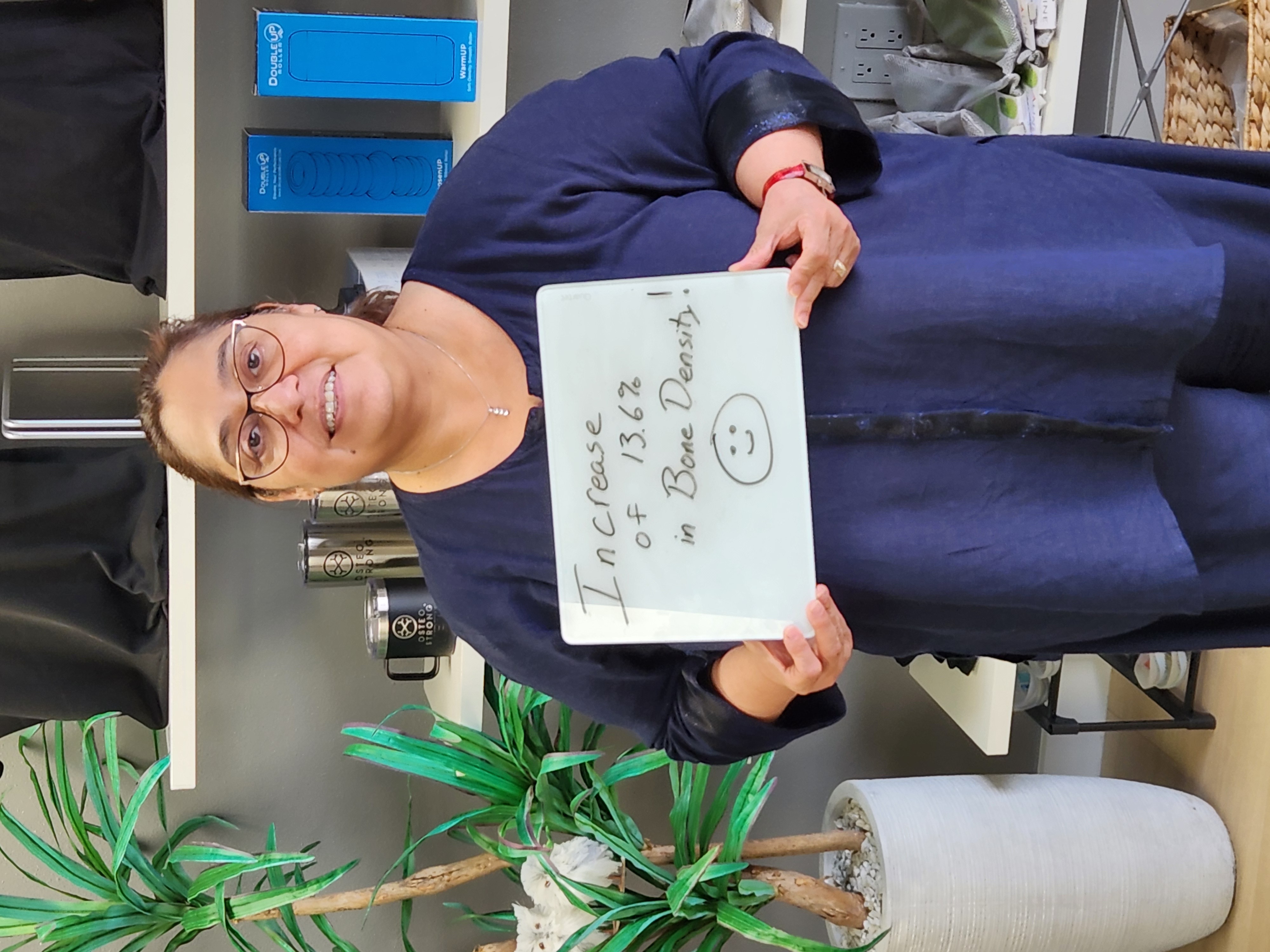
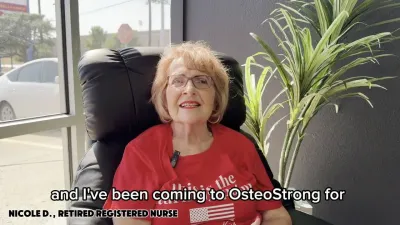
Read the study - DOI: 10.4172/2329-9509.1000185I joined OsteoStrong and my scores have improved dramatically since coming here!
This is one of the most common mistakes. Different DEXA machines, even from the same manufacturer, produce different values due to calibration differences. You cannot reliably compare a GE Lunar scan to a Hologic scan, or even scans from two different clinics using the same brand. Always get your follow-up scans on the exact same machine at the same facility. If you switch machines, your numbers may look like they changed when nothing actually did.
Even on the same machine, results can be misleading if the scanned region shifts between visits. Make sure the hips were positioned and internally rotated the same way, the lumbar spine scan covers the same vertebrae (typically L1–L4), and the region of interest (ROI) box is placed identically. A good technician will compare your current scan layout to your baseline. If something looks off, ask your doctor to verify the regions match before drawing conclusions.
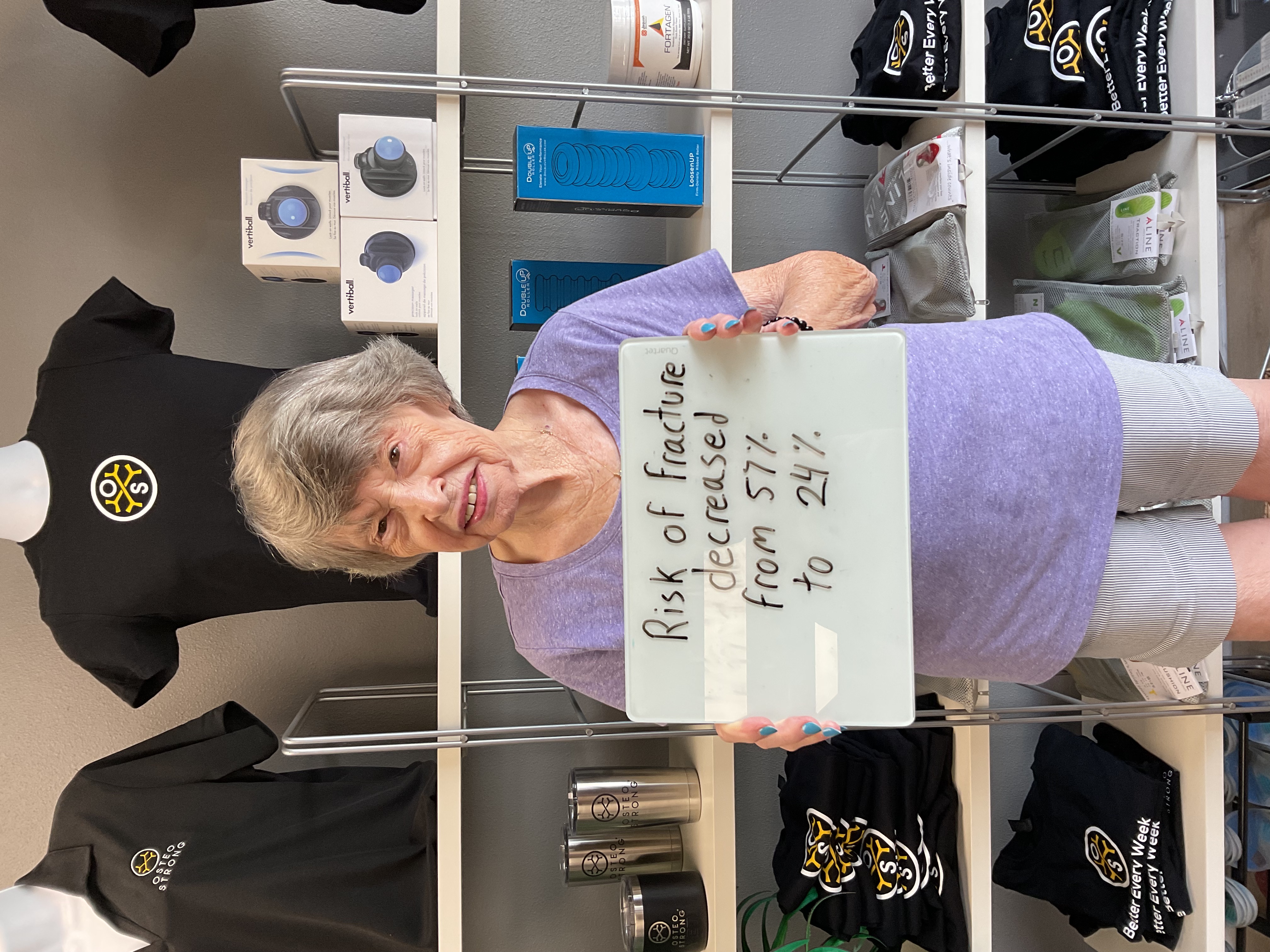
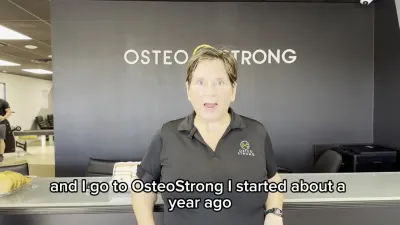
After starting with OsteoStrong, my bone density has increased and I no longer have osteoporosis!
Pick up the phone or book a free 15-minute call with a certified bone health coach. No pressure, no commitment - just answers tailored to your goals.
Hear from members who started exactly where you are now.
"I was shocked at how quickly I started to feel stronger and more stable. It's the best 15 minutes of my week."
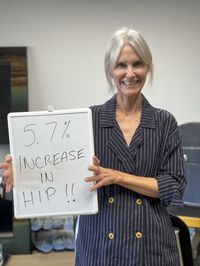
"My doctor noticed the improvement in my bone density before I even told her I'd been going to OsteoStrong. That says it all."
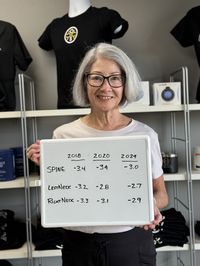
"I've tried everything - supplements, exercises, you name it. OsteoStrong is the first thing that actually moved the needle."
When you come in, we'll introduce you!