Book a Free Consultation
Free Guide for Austin & Georgetown Women

The Clinical Evidence Behind OsteoStrong

Peer-reviewed research, published clinical trials, and real-world results — compiled so you and your doctor can review the science together.

15 min Per weekly session
100+ Referring doctors
2 Locations

What the science says about osteogenic loading

Key findings from published, peer-reviewed studies and clinical trials.

1

What is osteogenic loading?

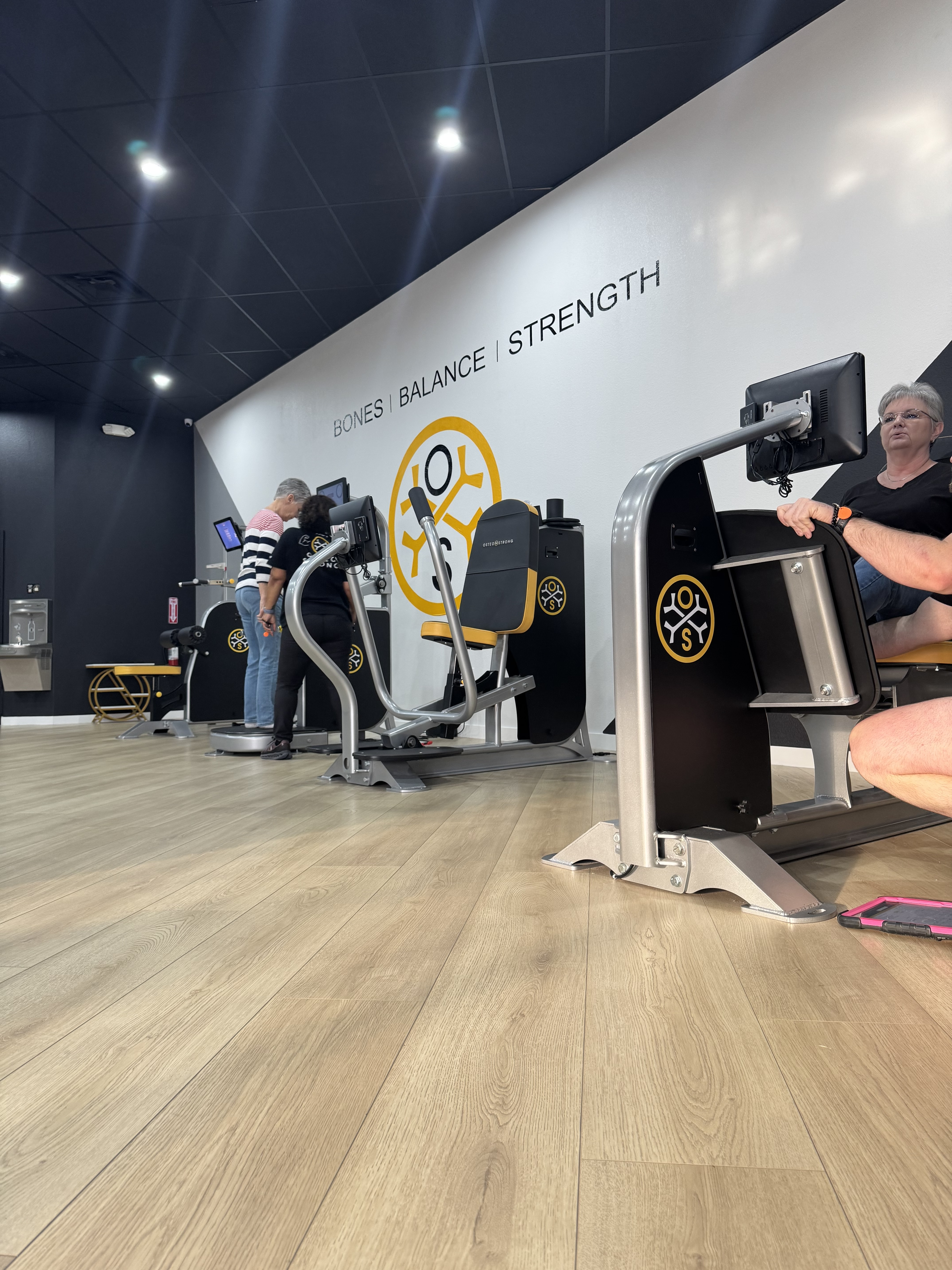
OsteoStrong uses uniquely designed robotic musculoskeletal therapy equipment to safely load your body and trigger adaptive responses that stimulate growth of bone and muscle. This is called osteogenic loading — the principle that bones adapt and grow stronger when they receive forces above a specific threshold.

OsteoStrong can help with bone density, muscular strength, balance, posture, joint and back pain, energy, and blood glucose response. Sessions are just 15 minutes, once per week, and every session is guided by a certified coach.

2

The four Spectrum machines

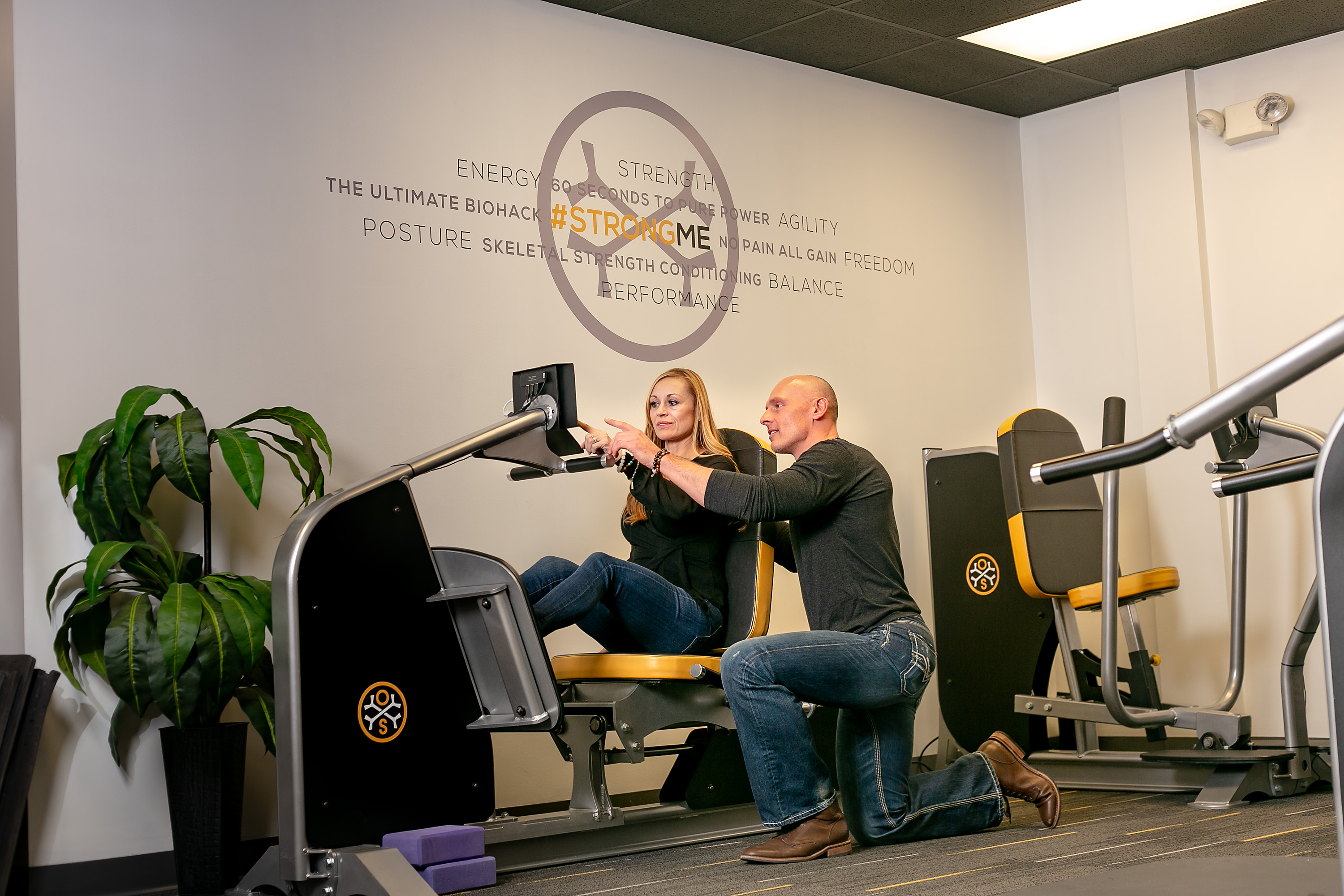
Each session uses four biomechanically designed Spectrum devices that target different areas of the body:

Core Growth Trigger — Designed for optimal bone and muscle density increase in the lower rib cage and deep abdominals. Palms toward face, bar at forehead height, arms parallel to ground.

Lower Growth Trigger — Designed for optimal bone and muscle density increase in the lower body. Shoulders relaxed, knees at 120° angle, hips firmly pressed into back of chair.

Postural Growth Trigger — Designed for optimal bone and muscle density increase in the spine. Shoulders down and rolled back, arms straight, hands aligned with hips.

Upper Growth Trigger — Designed for optimal bone and muscle density increase in the upper body. Hands, elbows, and shoulders on same plane, parallel to ground, elbows bent at 120° angle.

Each device includes correct positioning protocols, body scan procedures, and safety rituals. You never push past your comfort zone — a test push at 30–40% exertion starts every movement, and your coach checks in throughout.

★★★★★
I was shocked at how quickly I started to feel stronger and more stable. It’s the best 15 minutes of my week.
Valerie S.
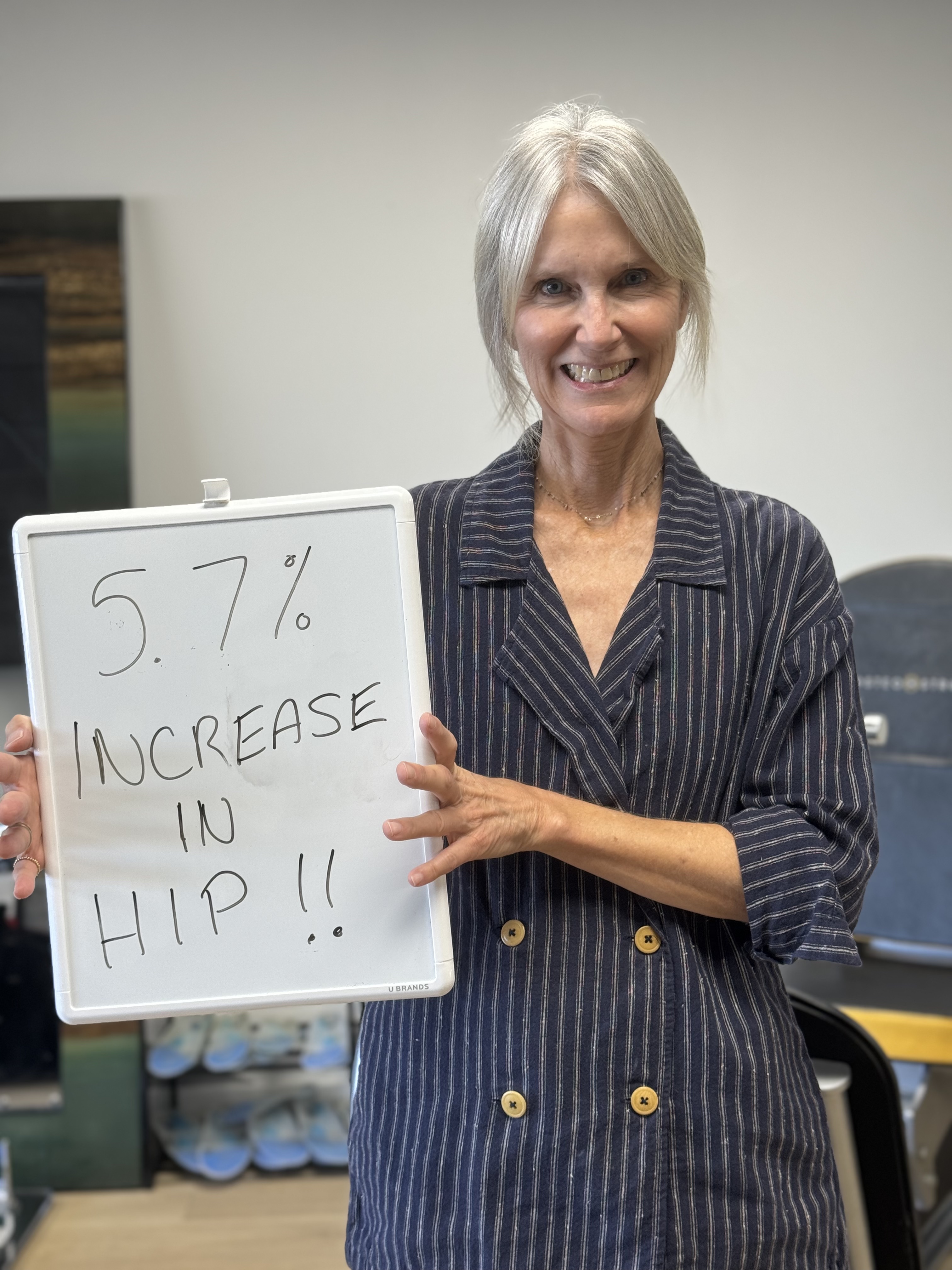
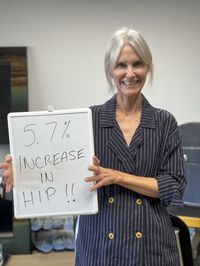
5.7% hip bone density increase
3

Bone density research: analysis from 152 peer-reviewed studies

A comprehensive meta-analysis of 152 peer-reviewed studies compared the effect of different interventions on bone mineral density. Here’s how they ranked:

OsteoStrong Sessions: ~14% improvement
Bone Anabolic Drugs: ~7% improvement
Bisphosphonate Drugs: ~2.5% improvement
Weight-Bearing Exercise: ~1% improvement
Whole Body Vibration: minimal change
Walking: minimal change
No Activity: bone loss
Non-Active Lifestyle + No Supplements: significant bone loss

In each of these studies, participants also took calcium and vitamin D3 supplements.

4

Published trial: BMD and functional bone performance in postmenopausal women

Study: Axial Bone Osteogenic Loading-Type Resistance Therapy Showing BMD and Functional Bone Performance Musculoskeletal Adaptation Over 24 Weeks with Postmenopausal Female Subjects

Journal: Journal of Osteoporosis & Physical Activity (2015)

Authors: Bazil Hunte, John Jaquish, Corey Huck

Design: A 24-week, single-center, randomized observational trial with 55 postmenopausal women (mean age 69). Subjects had low BMD (T-Score of -1.0 or lower) or were diagnosed with osteoporosis but had not yet started pharmacological intervention. All performed osteogenic loading through lower extremity and spinal erection kinetic chains.

Key results:

131% and 126% increase in musculoskeletal functional kinetic chain activity (hip/lower extremity and spine respectively)

• DXA subgroup: 14.9% bone density increase in the hip (p<0.01)

• DXA subgroup: 16.6% bone density increase in the spine (p<0.01)

• Spine T-Scores improved from -2.17 to -1.83; BMD increased significantly (p<0.01)

Zero adverse events during the 24-week intervention

Conclusion: OL therapy as an adjunct to standard care, or as a preventative approach, is both feasible and effective in improving BMD for ambulatory individuals with below -1 T-scores. The metrics of MOB force/loading levels can potentially be viewed as measures of functional bone performance.

Read the full study — DOI: 10.4172/2329-9509.1000146
★★★★★
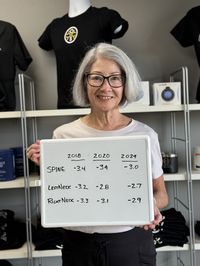
My doctor noticed the improvement in my bone density before I even told her I’d been going to OsteoStrong. That says it all.
Gloria D.
Austin Member
5

Strength gain case study: 500 participants over 4 years

A longitudinal case study tracked 500 people (average age 52) performing sessions of just 7 minutes, once per week. Strength gains compounded dramatically over time:

Year 1: 73% strength increase
Year 2: 138% strength increase
Year 3: 201% strength increase
Year 4: 290% strength increase

These results demonstrate that consistency with osteogenic loading produces progressively greater improvements in functional strength — and the gains don’t plateau. Members who stay consistent continue building strength year over year.

★★★★★
I’ve tried everything — supplements, exercises, you name it. OsteoStrong is the first thing that actually moved the needle.
Terri M.
Austin Member
6

Type 2 diabetes and blood glucose research

Study: The Effects of Axial Bone Osteogenic Loading-Type Resistance Exercise on Adults with Risk of Moderate-Metabolic Dysfunction: A Pilot Study

Journal: Journal of Diabetes & Metabolism (2015)

Authors: Bazil Hunte, John Jaquish

Design: A 24-week, single-center, randomized observational trial with 21 adults (10 females, 11 males, mean age 62) with pre-type 2 diabetes. Subjects were selected by their general practitioner and referred to OL therapy.

Key results:

• HbA1c reduced from 6.37 to 5.81 — an 8.8% absolute reduction (p<0.05)

No significant changes in weight or BMI — blood glucose improved independently of weight loss

• Psychological wellbeing scores improved by 8 points (from 50 to 58)

Zero adverse events or complications

How it compared to other interventions (% A1c reduction):

Osteogenic Loading (no weight loss): ~0.57%
Cardiovascular Exercise: ~0.50%
Metformin (no weight loss): ~0.38%
Weight-Bearing Exercise: ~0.32%
Caloric Restrictive Diet: ~0.17%

Read the full study — DOI: 10.4172/2155-6156.1000539
★★★★★
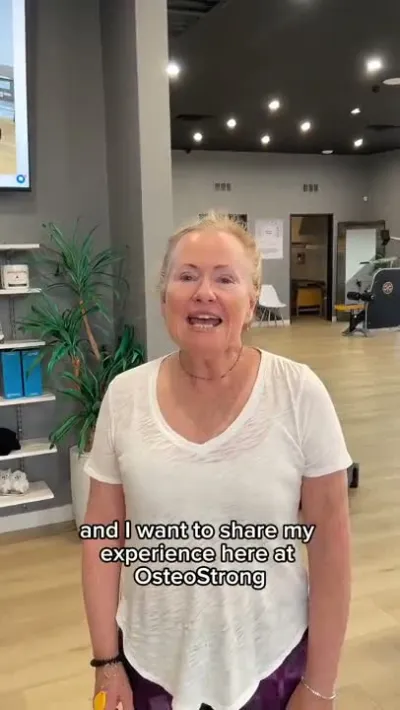
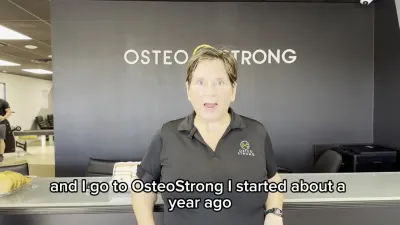
I was diagnosed with diabetes and I have been going to OsteoStrong for a little over a year now after my doctor recommended it. Since I have started OsteoStrong, my A1C has dropped from 5.7 to 5.3.
OsteoStrong Member
A1C improvement through osteogenic loading
7

High-impact activity and bone density: the JBMR study

Study: Habitual Levels of High, But Not Moderate or Low, Impact Activity Are Positively Related to Hip BMD and Geometry: Results From a Population-Based Study of Adolescents

Journal: Journal of Bone and Mineral Research (2012)

Authors: Kevin Deere, Adrian Sayers, Jörn Rittweger, Jon H. Tobias

Design: A cross-sectional analysis of physical activity and hip BMD in 724 adolescents from the Avon Longitudinal Study (ALSPAC). Activity was measured using accelerometers worn for multiple days, partitioned into six impact bands from 0.5g to >5.1g.

Key findings:

• Only high-impact activity above 4.2g of force was positively related to femoral neck BMD

• Impacts below this threshold were inversely related to bone density

• Walking, jogging, and moderate exercise showed little to no benefit for bone density

• High-impact activities like jumping and running generate forces of 3.9–5.3g

Why this matters for OsteoStrong: This study demonstrates the core principle behind osteogenic loading — bones need forces well above everyday activity levels to trigger meaningful adaptation. The Spectrum machines are designed to safely generate these high-force impacts without the injury risk of jumping or running.

Read the full study — DOI: 10.1002/jbmr.1611
8

Endorsed by American Bone Health

John Jaquish, PhD, Board Member of American Bone Health (the largest bone health society in the world), authored a letter to physicians and practitioners explaining how osteogenic loading applies to patient care.

Key points from the physician letter:

• OsteoStrong makes available robotic musculoskeletal therapy devices with no adverse effects

• Therapy has been shown to be safe with 65,000+ users worldwide

• Multiple peer-reviewed publications demonstrate efficacy

• Multiple presentations at the World Congress of Osteoporosis

• Many OsteoStrong technicians are peer educators for American Bone Health

• Sessions are once a week, lasting 15 minutes, at extremely low cost compared to the costs of osteoporosis treatment

The letter also notes that practitioners can benefit from increased MIPS (Merit-Based Incentive Payment System) scores by referring patients to preventative care like OsteoStrong.

★★★★★
I found OsteoStrong through Dr. Jaquish as I had been using his program for about 4 to 5 months. I dedicated to my OsteoStrong sessions because I believed that there was something inhibiting me from getting stronger. When I tried OsteoStrong, I noticed an immediate surge in my overall strength.
OsteoStrong Member
Physician-referred member
9

World Congress of Osteoporosis presentation

Presentation: Functional Bone Performance Measurements and Adaptations Using Novel Self-Applied Bone-Loading Exercise Apparatus

Venue: World Congress on Osteoporosis, Osteoarthritis and Musculoskeletal Diseases (WCO-IOF-ESCEO 2015)

Published in: Osteoporosis International, Volume 26, Supplement 1

Authors: C. Huck, J. Jaquish (University of Wisconsin & Performance Health Systems)

Study details: Analyzed functional bone performance in 2,380 adult males and females who used osteogenic loading apparatus for 12 or more sessions over one year at a clinically focused, supervised facility.

Key results:

• MOB force/loading levels in the DXA subset correlated with DXA results in the larger population (N = 2,380)

• Spine and lower extremity loading showed 2.89±1.02 SD and 9.67±3.68 SD MOB respectively

• Presents a new metric of functional bone performance for ambulatory individuals with low BMD

View in Osteoporosis International — DOI: 10.1007/s00198-015-3062-9
10

Safety profile and contraindications

Across all published studies and clinical use with 65,000+ users worldwide, osteogenic loading has shown no adverse effects. Here’s why it’s safe:

Safety protocols built into every session:

• You never push past your comfort zone

• User is always in control of exerted force

• Every session starts with a body scan for any physical issues

• Test push begins at 30–40% exertion before any full movement

• Peak force lasts only 7–10 seconds per movement

• Continue breathing throughout — never hold your breath

• Your certified coach checks in at every step and makes adjustments as needed

Contraindications:

• Patients who are not relatively ambulatory

• Those in acute pain

• Unmedicated hypertensive individuals

• Individuals with muscular dystrophy

• Hyperparathyroid patients whose condition is not yet controlled

★★★★★
I took a fall and had an injury and I realized that I needed to take care of my bones. In only 14 sessions, I’m now twice as strong as I was when I started AND I don’t use my walking stick anymore!
OsteoStrong Member
Strength and balance improvement
11

Real member results verified through DEXA scans

These are actual bone density improvements measured by DEXA scans from OsteoStrong members:

Valerie S. — 5.7% hip bone density increase
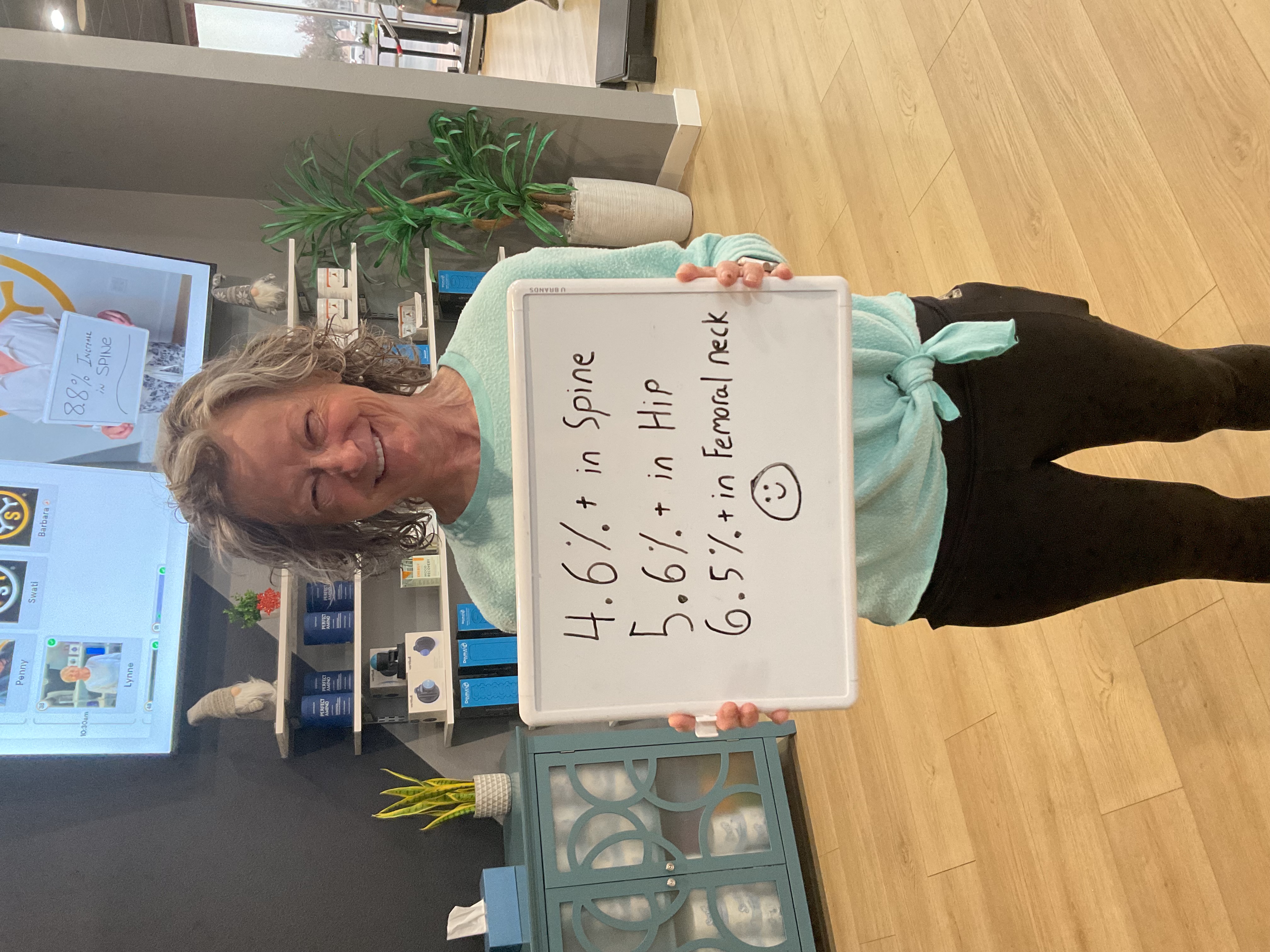
Pam R. — 4.6% spine, 5.6% hip, 6.5% femoral neck increase
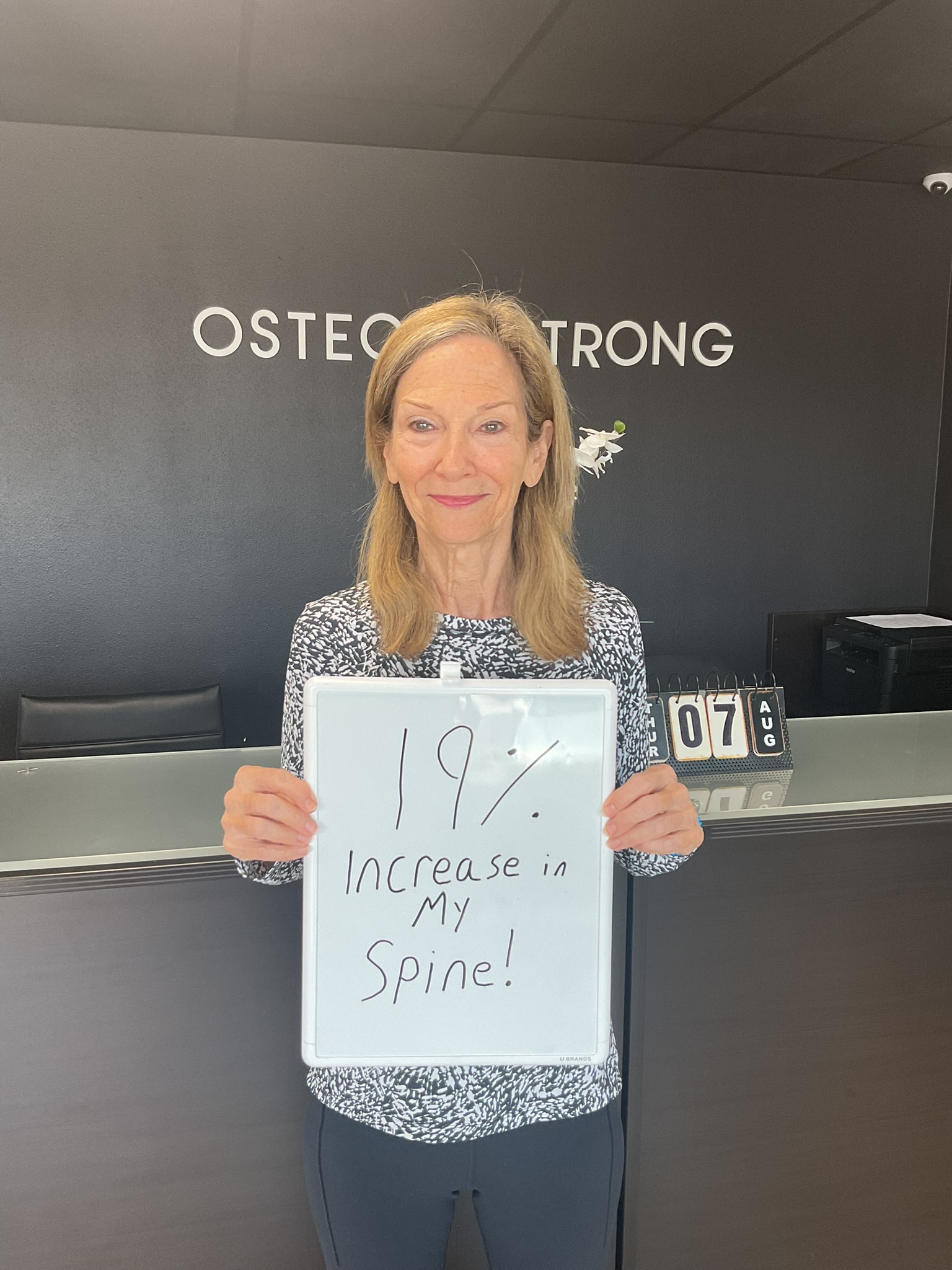
DeeDee — 19% spine bone density increase
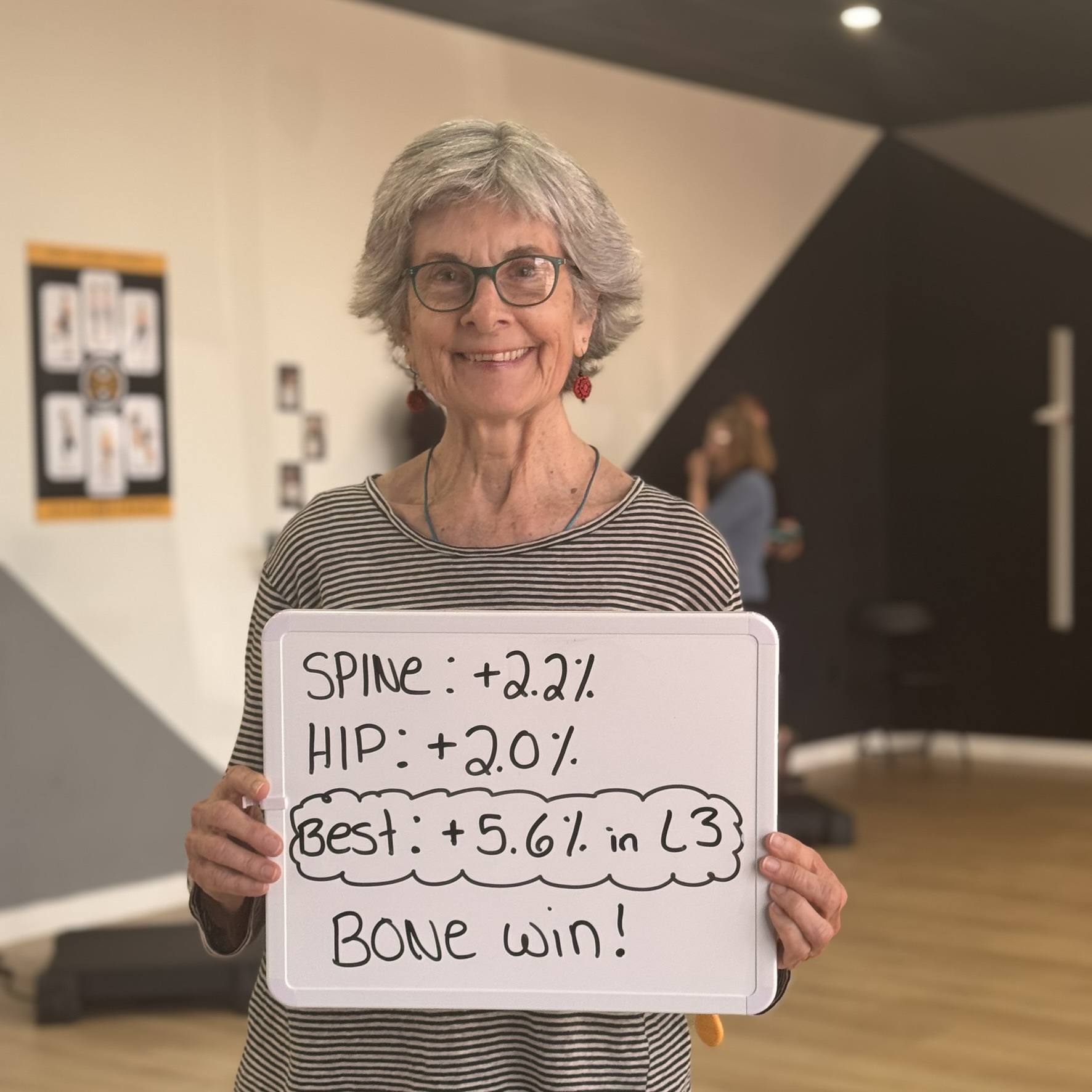
Diane — +2.2% spine, +2.0% hip, +5.6% L3 increase
8.2% increase in bone density (member photo)
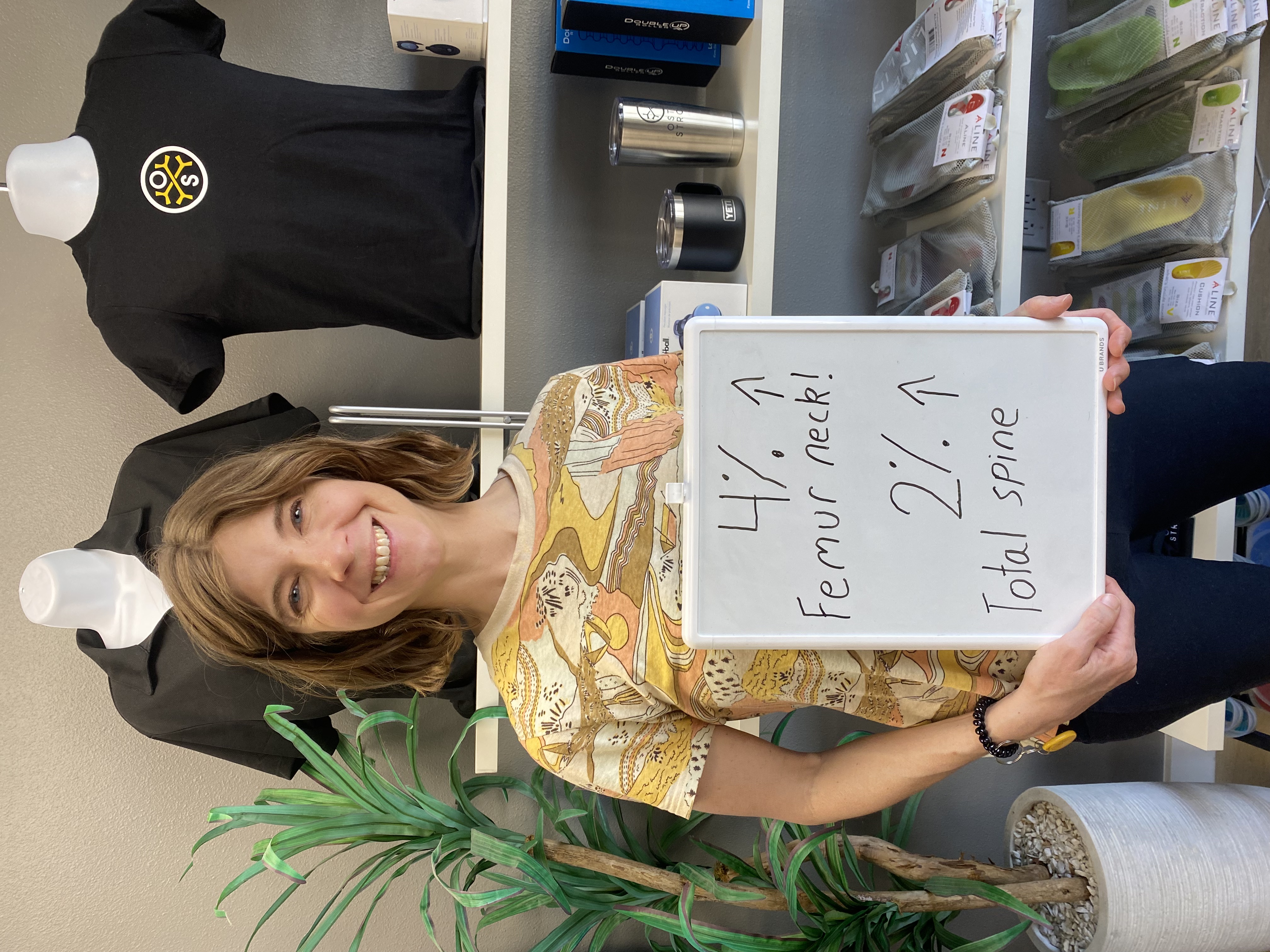
4% femur neck, 2% total spine increase (member photo)
12.8% spine, 10.5% hip, 8.8% left femoral neck increase (member photo)
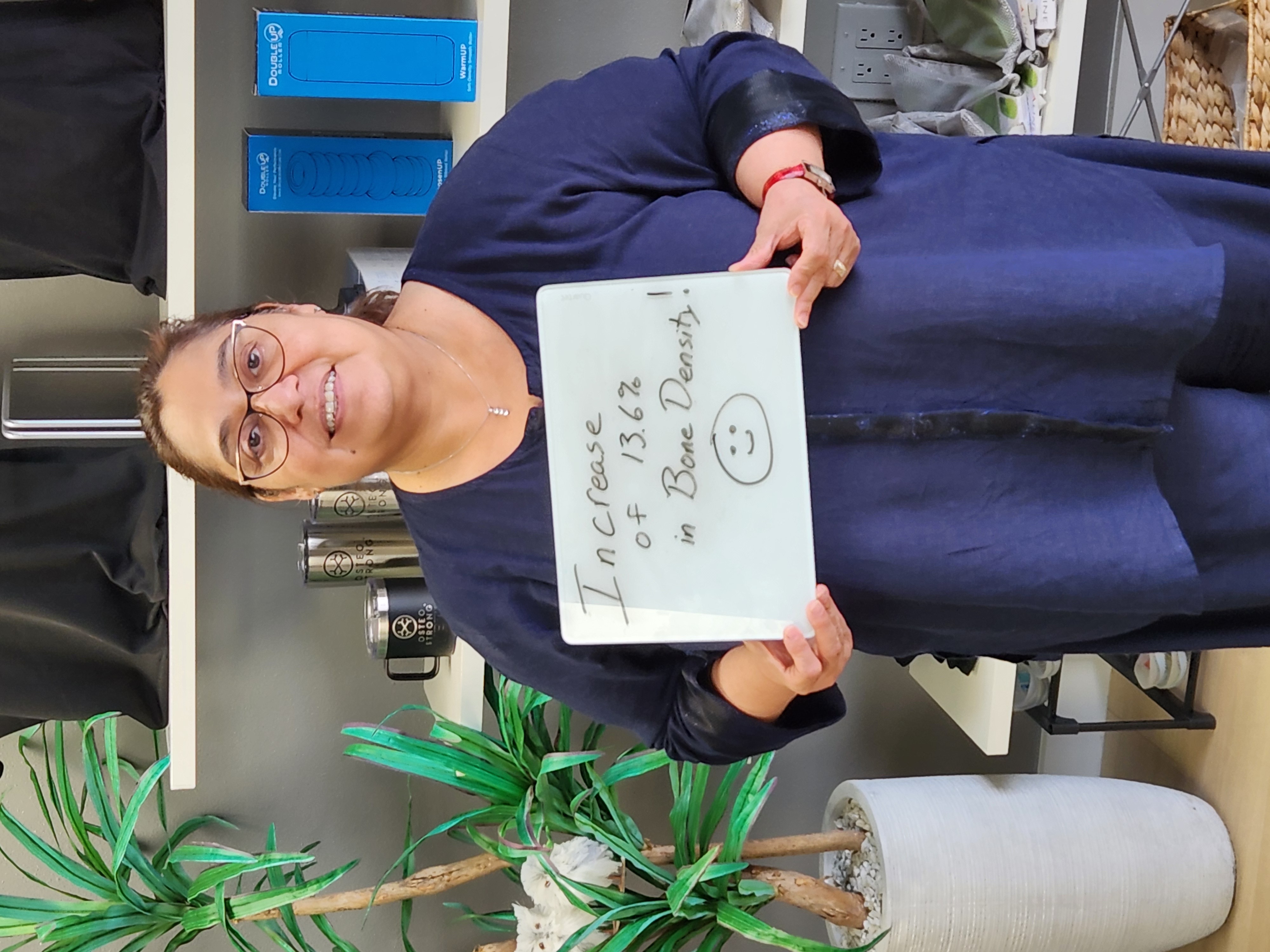
13.6% increase in bone density (member photo)
20% spine increase, no more osteoporosis in hip, 16% increase (member photo)
8.8% spine increase (member photo)
Gained ¼ inch in height in 3 months (member photo)
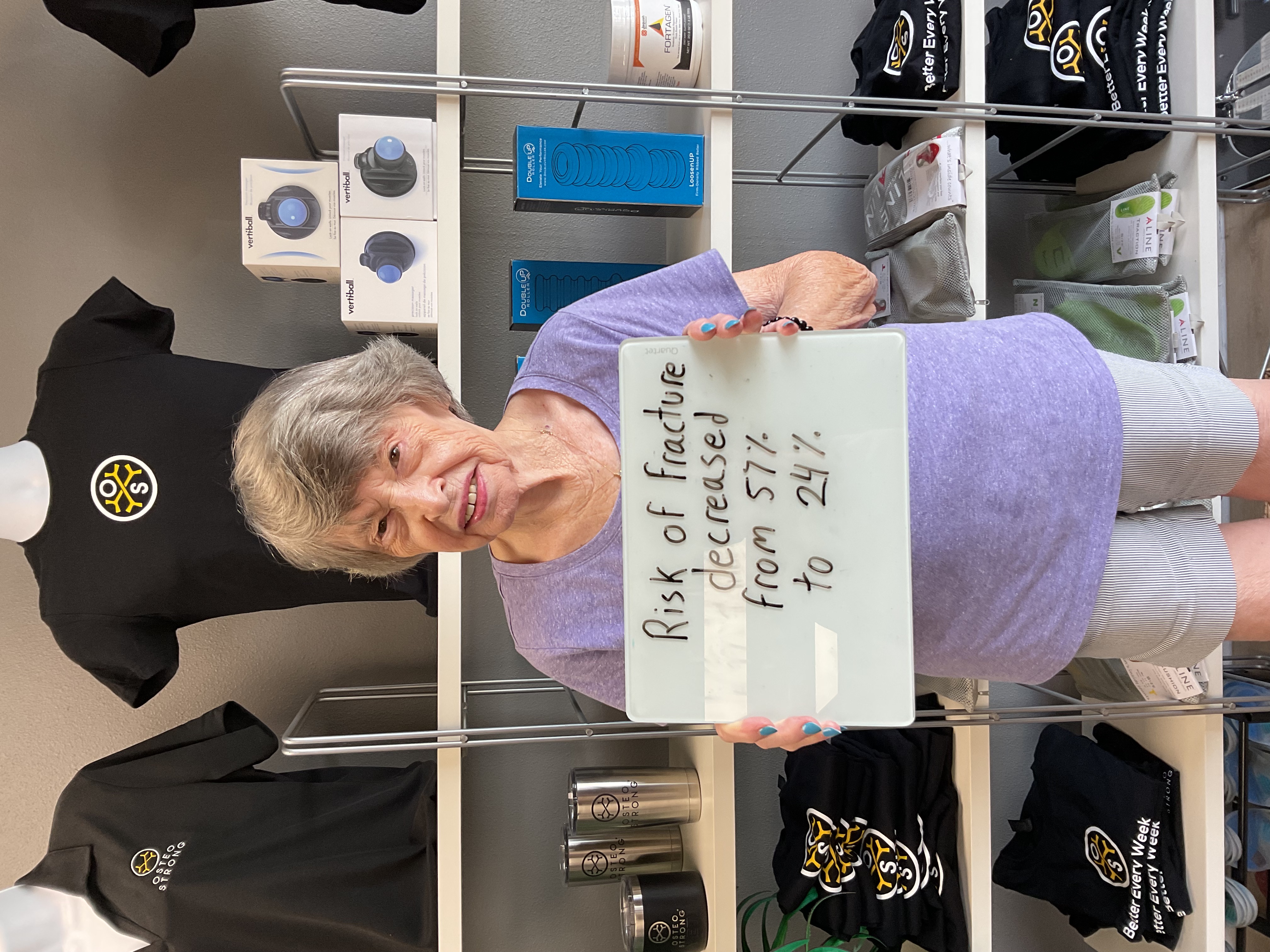
Risk of fracture decreased from 57% to 24% (member photo)

Results may vary. Individual experiences differ based on health history, consistency, and baseline bone density.

12

Why your doctor will appreciate this research

This research packet was compiled specifically so you can share it with your physician. It includes:

Peer-reviewed journal articles from the Journal of Osteoporosis & Physical Activity, Journal of Bone and Mineral Research, Journal of Diabetes & Metabolism, and Osteoporosis International

• A physician letter from American Bone Health explaining how osteogenic loading complements standard care

Real member DEXA results showing measurable bone density improvements

Safety data from 65,000+ users with zero adverse events

World Congress presentation with data from 2,380 participants

Over 100 referring physicians in the Austin and Georgetown area trust OsteoStrong because the evidence is transparent, the results are measurable, and the approach complements — never replaces — standard medical care.

★★★★★
Internist Doctor for over 20+ years and I was skeptical. I hear about new technology all the time and I don’t recommend anything that I haven’t done myself. So I decided to try an OsteoStrong session. I was so blown away I became a member.
Physician Member
20+ year internist and OsteoStrong member

Ready to see the research in action?

Book a free consultation with a certified bone health coach. Bring your DEXA scan results and we’ll walk you through exactly how osteogenic loading can work for you.

Or call us directly:  Austin: 512-588-1741  |  Georgetown: 512-559-3736

What our members are saying

Hear from members who started exactly where you are now.

★★★★★

"I was shocked at how quickly I started to feel stronger and more stable. It's the best 15 minutes of my week."
Valerie
Valerie S.
OsteoStrong Member
★★★★★

"My doctor noticed the improvement in my bone density before I even told her I'd been going to OsteoStrong. That says it all."
Gloria
Gloria D.
OsteoStrong Member
★★★★★

"I've tried everything — supplements, exercises, you name it. OsteoStrong is the first thing that actually moved the needle."
Terri
Terri M.
OsteoStrong Member